
June 4, 2026
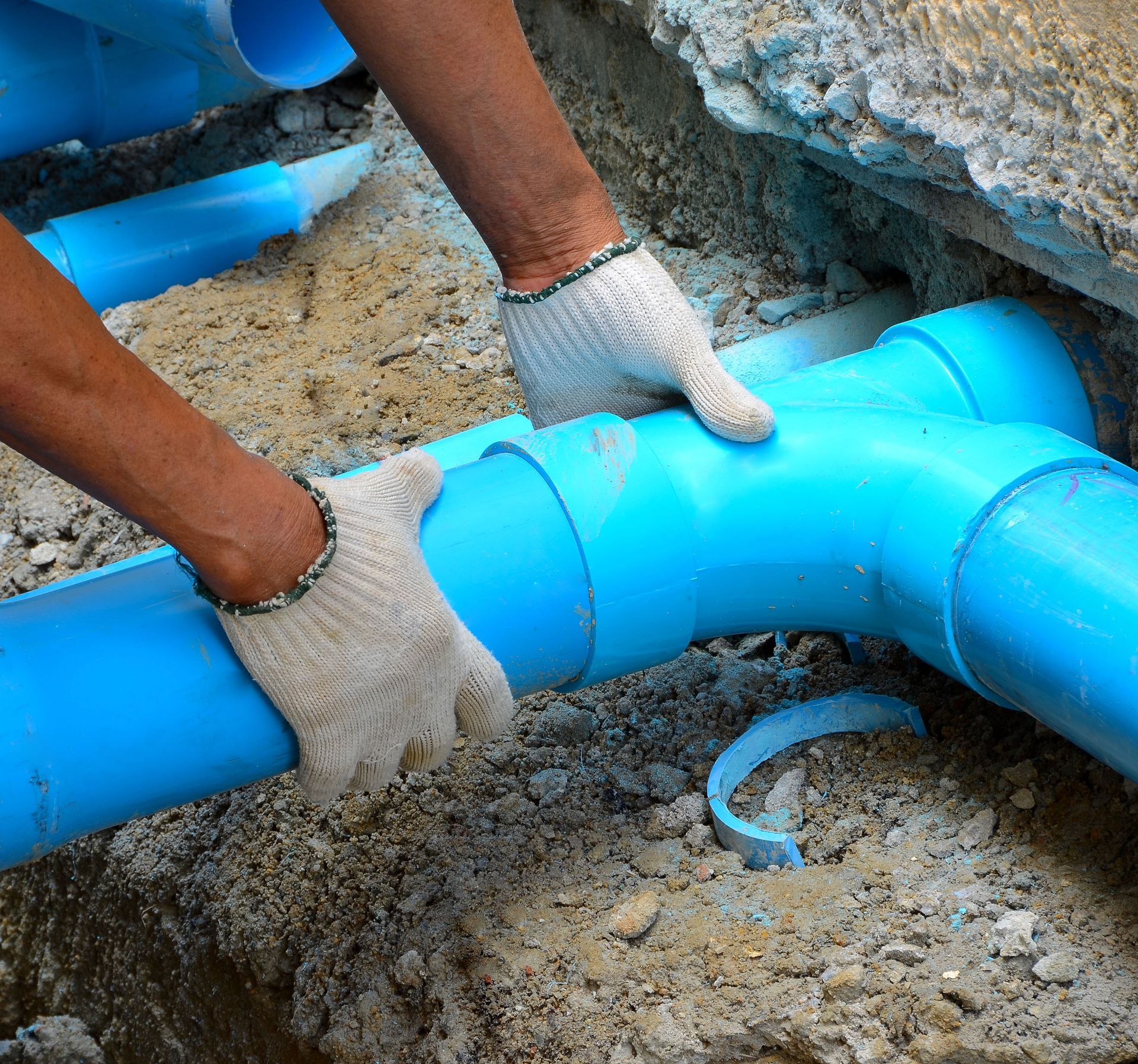
Understanding the health of your sewer system is crucial to maintaining the overall hygiene and functionality of your home. Ignoring the warning signs of sewer issues can lead to extensive damage, costly repairs, and potential health hazards. This article will explore the key signs indicating that your home's plumbing system may need immediate attention or sewer repair services.
1. Unpleasant Odors
An unpleasant odor emanating from your drains or the outdoor areas around your home is often the first sign of a sewer problem. These smells are typically caused by hydrogen sulfide, a compound released from sewage. Identifying the source of these smells can help diagnose the issue early. Check all drains, sinks, and toilet areas for any unusual odors. If the smell is persistent, it becomes essential to explore further to prevent health hazards linked to sewer gas exposure.
Sewer odors can stem from various sources, including leaks, blockages, or even cracked sewer pipes. A dry trap in plumbing fixtures, often in guest bathrooms that go unused, can also result in sewer odors entering the home. Vent pipe blockages caused by debris can prevent sewer gases from escaping, leading them to back up into the house. Tree roots infiltrating sewer lines can cause significant damage, leading to leaks and the subsequent release of unpleasant odors. Prompt attention and remediation are necessary to avoid exacerbating the problem.
It's crucial to know when odors warrant professional assistance. If odors persist despite implementing temporary solutions, it's a clear indicator of a significant underlying issue. Extended exposure to sewer odors suggests structural damage which requires expert evaluation. Professionals have the tools and expertise to locate the source of the odor and provide comprehensive solutions. Homeowners should not delay seeking professional help, as timely action can prevent more extensive repairs.
2. Slow Draining Pipes
Slow draining pipes are a common issue that many homeowners experience, often indicating a partial blockage. Accumulations of hair, grease, and soap scum are frequent culprits, creating blockages that hinder water flow. Plumbing systems might also suffer from mineral buildup over time, leading to narrowed pipes. The presence of invasive tree roots can also contribute to slow drainage, infiltrating sewer lines and obstructing flow. Recognizing the causes is the first step in addressing slow drainage and maintaining a healthy plumbing system.
If slow draining persists despite attempts at clearing, it may indicate a more serious problem requiring professional intervention. Recurring drainage issues suggest that a significant blockage or damage exists within the sewer lines. Persistently slow drains can also signal broader systemic issues, such as a damaged sewer line or corrupted infrastructure. If multiple drains within the home exhibit slow drainage simultaneously, it's advisable to consult a professional plumber. Early recognition and action can prevent further damage and maintain plumbing health.
Slow drains can have a detrimental effect on the overall health of your home's plumbing system if not addressed promptly. Persistent blockage can lead to increased pressure within pipes, causing leaks or bursts. Over time, they can also contribute to the premature deterioration of the plumbing material and reduce the sewage system's effective lifespan. According to HomeGuide, sewer lines can last between 30 and 100 years, highlighting that maintenance plays a pivotal role in their longevity. Addressing minor drainage issues before they escalate helps preserve the integrity of your home's plumbing.
Professionals utilize advanced tools, such as hydro-jetting systems and video inspection equipment, to clear blockages and identify root causes. With their expertise, they can determine if tree roots have compromised the sewer lines, if any segments require replacement, or if deep cleaning is necessary. Professional inspection can also provide insights into preventative measures to avert future issues. Trusting experienced professionals ensures that your home's plumbing system receives the care and repair it needs.
3. Water Backups
Water backups are a severe indication of underlying issues within the sewer system. Early signs often include gurgling noises from drains and toilets, coupled with water that appears in unexpected places, such as tub drains or shower stalls. Discoloration of standing water and foul odors accompanying backups serve as additional warning signs. Prompt recognition of these signs is crucial in addressing the problem before it escalates. Homeowners should be vigilant in monitoring for such indicators to prevent extensive damage.
Several preventative measures can mitigate the risk of water backups. Regular inspection of sewer lines can identify potential issues before they escalate into significant problems. Installing backflow prevention devices can offer additional protection against sewer overflows. Homeowners should avoid disposing of grease, oils, and non-biodegradable materials down the drain, as these contribute to blockages. Prudent landscaping practices, such as planting trees away from sewer lines, can prevent root infiltration. Combining these measures helps maintain a robust defense against water backups.
Tree roots pose a substantial threat to sewer systems, often leading to blockages and water backups. As roots seek moisture, they can infiltrate pipes through small cracks or joints, causing significant obstructions over time. Their growth can exacerbate existing weaknesses within the sewer line, leading to cracks and eventual collapse. Root intrusion is a common issue that requires the use of specialized tools to address effectively. Homeowners should consider regular inspections to mitigate root-induced damage in their plumbing systems.
For severe cases of water backups, professional intervention is critical. Licensed plumbers can perform a thorough analysis of your sewer system, identifying the root cause of blockages. Advanced technology, such as video pipe inspection, can locate exact locations of root intrusions or structural damage. Corrective measures, including trenchless sewer repair or root removal, effectively restore system function. Professional involvement not only helps resolve existing issues but also establishes preventative strategies for the future.
4. Mold Growth
Mold growth is often linked to unresolved sewer problems within the home. Leaking pipes or water backups create damp environments conducive to mold proliferation. While bathrooms and basements are common areas for mold, sewer leaks can cause hidden growth in less frequently checked spaces. Proactive monitoring of plumbing conditions can prevent mold flourishing due to sewer issues. Recognizing the connection between plumbing and mold growth can help homeowners address potential hazards early.
Mold can often grow in hidden areas, making detection challenging for homeowners. Musty odors, staining on walls or ceilings, and unexplained health issues among residents might signal hidden mold. Inspecting plumbing, particularly in less-visible areas, can help uncover unseen leaks contributing to mold growth. Utilizing professional mold inspection services can verify the presence and extent of mold growth within the home.
Effective mold management involves a combination of strategies to address the underlying issues. Immediate removal of mold-affected materials is vital to stop further proliferation. Fixing leaks promptly is essential in eliminating the source of moisture that allows mold to thrive. Using dehumidifiers can decrease ambient moisture levels, creating an environment less conducive to mold growth. It's crucial to ensure affected areas are thoroughly dried and clean to prevent future infestations. Professional services can implement these strategies effectively, leveraging their expertise for long-term mold prevention.
Mold issues often necessitate an integrative approach, addressing both the symptoms and root causes. Comprehensive solutions involve meticulous inspection and sewer repair, ensuring no leaks persist. Collaborating with mold remediation experts can yield effective results, restoring safe and healthy living conditions. Proactive measures, such as regular humidity checks and plumbing maintenance, help safeguard against future issues. Homeowners are encouraged to focus on both immediate and preventative strategies to maintain long-term safety and functionality of their living spaces.
Reacting promptly to signs of sewer distress can save homeowners from severe structural damage, health issues, and financial burdens. By understanding and identifying these warning signs early, you can ensure that your home's sewer system remains in optimal working condition. Remember, professional plumbing inspections and timely sewer repair are keys to maintaining a healthy and safe living environment. If you're looking for ways to extend the lifespan of your sewer system significantly, reach out to Chesapeake Plumbing, Inc today to learn more about our sewer repair services.