September 30, 2026
Water is the lifeblood of your home, but when it escapes the confines of your pipes, it can quickly become your property’s worst enemy. From skyrocketed utility bills to devastating structural water damage and mold growth, household leaks are a silent threat that every homeowner must be vigilant about. We have seen firsthand how a seemingly minor drip can escalate into a major catastrophe if left unaddressed. That is why being proactive and knowing exactly what to look for is essential for any property owner.
Whether you are dealing with an aging infrastructure or simply experiencing the normal wear and tear of daily living, staying ahead of potential water damage requires a watchful eye. In this comprehensive guide, we will walk you through the top culprits of water waste in the typical home. But before we dive into our list, it is worth noting that leaks are not the only threat your pipes face. According to Gitnux, drain and sewer clogs drive roughly 60% of emergency plumbing calls. Often, the immense pressure built up by these severe clogs can strain your pipe joints and fixtures, eventually leading to the very leaks we want to help you prevent.
If you ever find yourself overwhelmed by a stubborn leak, remember that professional plumbing services are just a call away. Let’s explore 8 common household leaks and how to spot them before they wreak havoc on your home.
1. Faucet Leaks
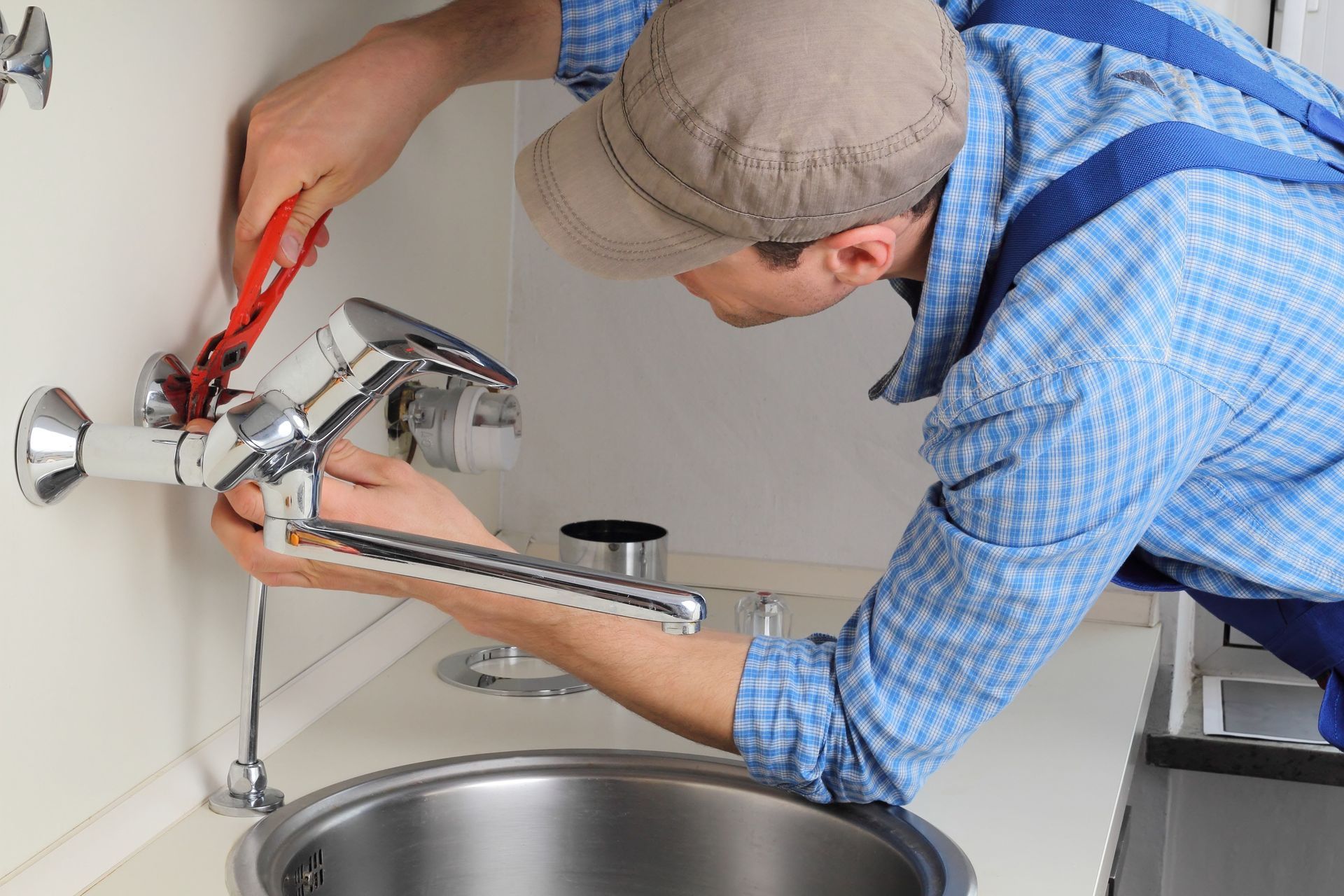
The rhythmic dripping of a leaky faucet is a sound most homeowners know well. While it might seem like a minor annoyance, a single dripping faucet wastes thousands of gallons of water annually. Common causes include worn-out O-rings, degraded washers, or corroded valve seats.
Spotting this leak is usually straightforward because you can see and hear the drip. However, some leaks occur at the handle's base only when the water is running. Next time you use your sink, check the base of the fixture for pooling water on the countertop. If a simple washer replacement fails to resolve the issue, it is time to invest in expert plumbing services to replace the fixture entirely and restore a watertight seal.
2. Toilet Leaks
Unlike the obvious drip of a faucet, a toilet leak is often called a "silent leak." These usually happen internally when water seeps continuously from the tank into the bowl. This is frequently caused by a faulty flapper, a misaligned float, or a failing fill valve. Because the water simply runs down the drain silently, you might not notice anything is wrong until your water bill arrives with a shocking total.
Fortunately, spotting an internal toilet leak is incredibly simple. Carefully remove the lid of your toilet tank and place a few drops of food coloring into the water. Wait a few minutes without flushing. If colored water slowly appears in the bowl, you have a definitive leak. Addressing this early saves money and is a staple repair in residential plumbing services.
3. Water Heater Leaks
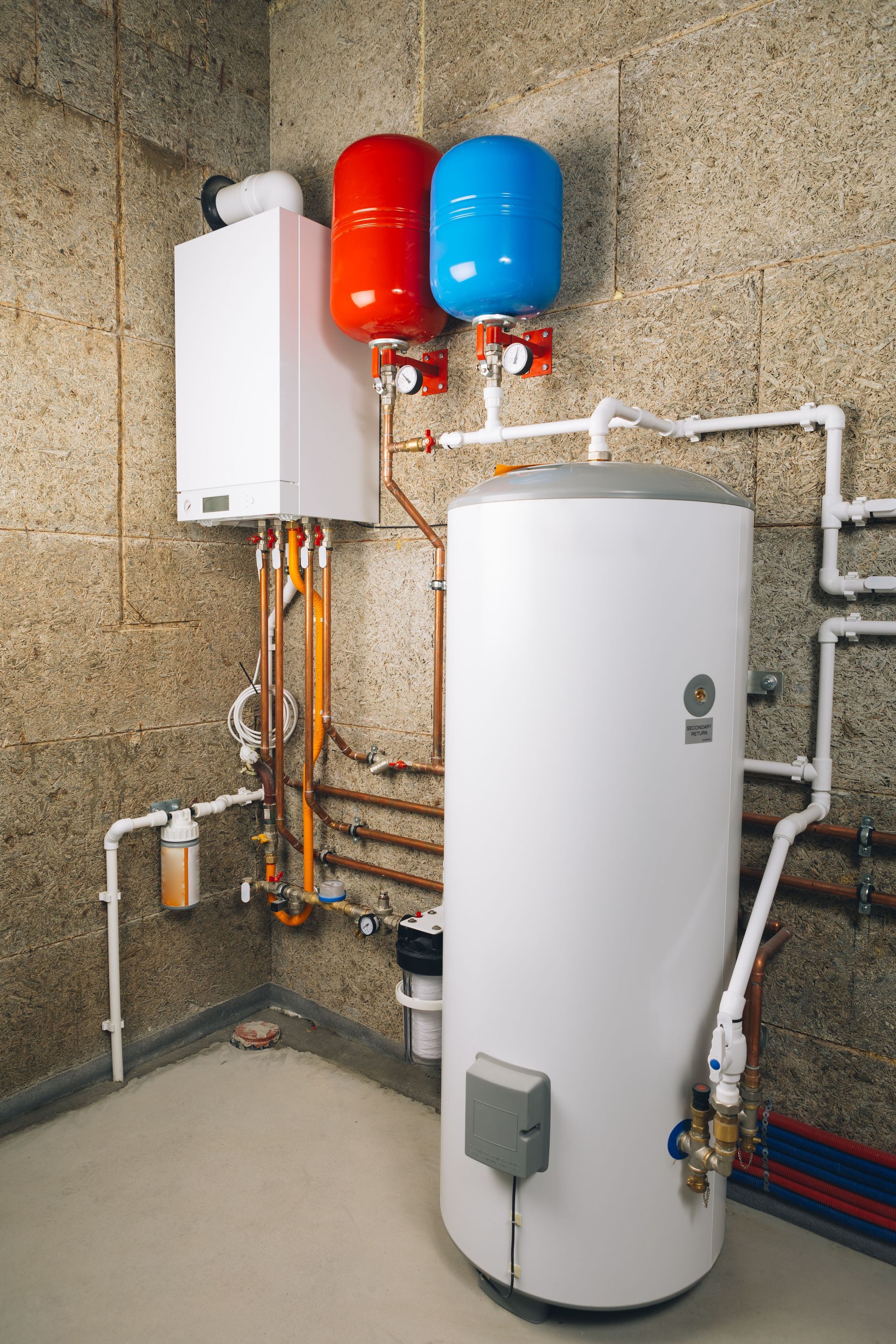
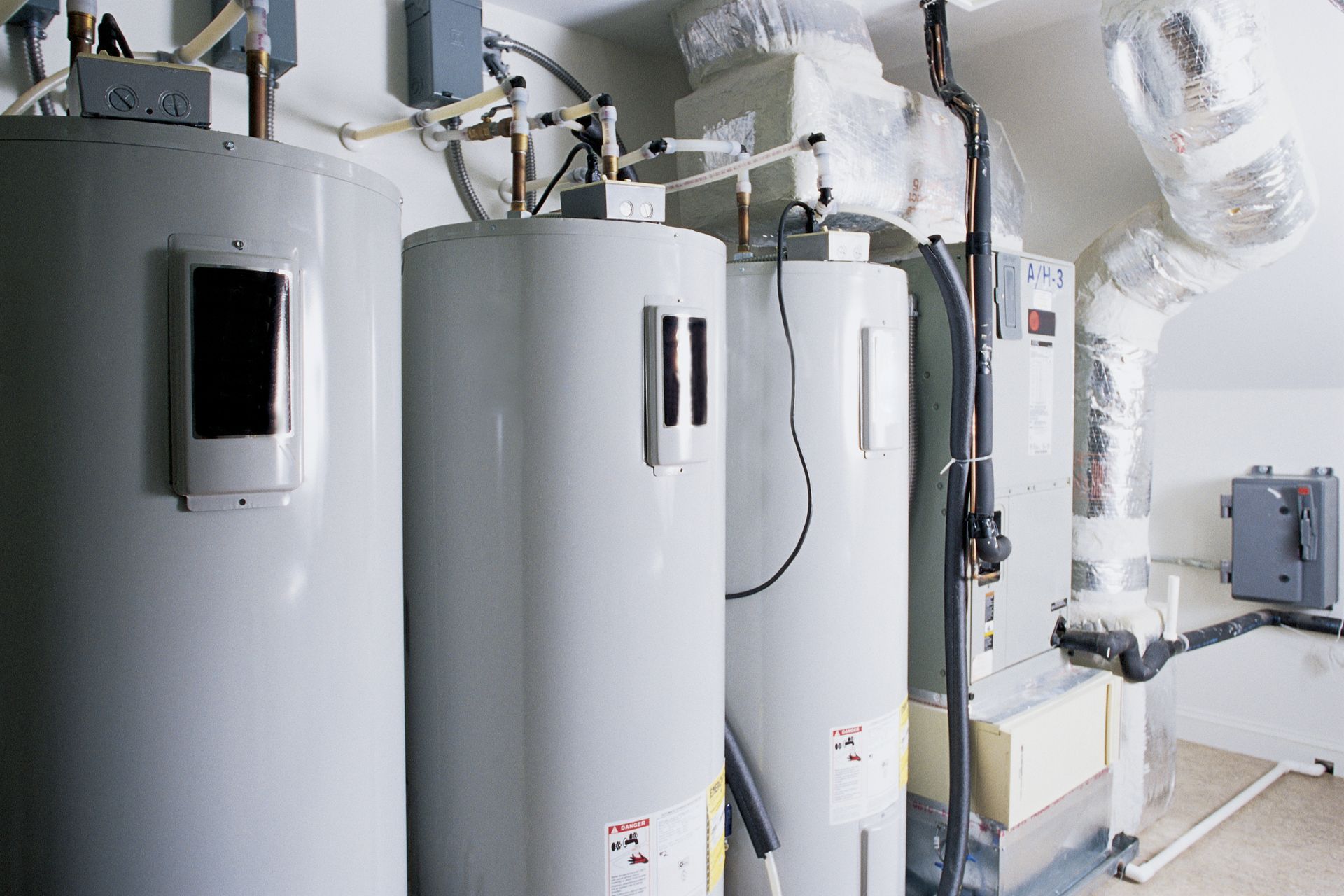
Your water heater works tirelessly to provide warm showers and clean dishes. Over time, constant expansion and contraction of the metal tank, combined with hard water minerals, can lead to internal corrosion. Leaks can occur at the cold water inlet, the hot water outlet, the pressure relief valve, or the base of the tank.
To spot a water heater leak, visually inspect the area around your tank at least once a month. Look for small puddles, unexplained damp spots on the floor, or rusty streaks running down the sides of the heater. If the tank itself has rusted through and leaks from the bottom, patching will not save it. You will urgently need professional plumbing services to safely replace the unit before it completely bursts and floods your utility room.
4. Under-Sink Leaks
The cabinet beneath your kitchen or bathroom sink is often a dark space filled with cleaning supplies and extra toiletries. Because we rarely clear out these areas entirely, under-sink leaks can go unnoticed for months. These leaks often originate from loose P-trap connections, failing supply lines, or degraded caulking around the sink drain assembly.
The best way to spot an under-sink leak is through regular, intentional inspections. Once a month, take a flashlight and shine it into the back of your cabinets. Look for warped wood, peeling contact paper, pooling water, or the unmistakable musty odor of mildew. You can also run the water while feeling the pipes to detect subtle moisture. Catching these drips early prevents expensive cabinetry damage and mold remediation.
5. Washing Machine Leaks
Your washing machine processes gallons of water per load, making it a prime candidate for a devastating leak. The rubber supply hoses that connect your washing machine to the wall valves are under constant, immense pressure. Over time, these hoses can become brittle, bulge, and eventually burst.
Spotting a washing machine leak requires checking the connections regularly. Pull the machine away from the wall to examine the hoses. Bulging, cracking, or active dripping at connection points is a major red flag. Upgrading standard rubber hoses to stainless steel braided hoses is highly recommended for extra security. If you notice pooling water underneath the machine during a cycle, the internal water pump or tub seal may also be compromised.
6. Refrigerator Leaks
Modern refrigerators often feature built-in ice makers and water dispensers. While convenient, they introduce a highly vulnerable water line into your kitchen. The plastic or copper tubing connecting your refrigerator to the home's water supply can easily be pinched, bent, or cracked if the appliance is moved abruptly.
Spotting a refrigerator leak can be tricky because water usually pools underneath or directly behind the heavy appliance. Keep an eye out for water seeping from under the fridge, warped kitchen floorboards, or ice buildup at the bottom of the freezer compartment. If your ice maker suddenly stops working or water pressure drops, it indicates a kink or slow leak. Resolving this requires moving the fridge carefully and seeking reliable plumbing services to install a secure, high-quality water line.
7. Shower and Bathtub Leaks
Your shower and bathtub are exposed to water daily, and the intricate network of pipes behind the walls makes them highly susceptible to hidden leaks. These can stem from a compromised shower pan, degraded grout, or a failing shower valve hidden behind the tile. When water escapes behind the wall, it rots wooden framing and creates a perfect breeding ground for toxic mold.
Spotting this leak requires looking for secondary signs of water damage since the pipes are concealed. Watch for curling vinyl flooring near the tub, water stains on the ceiling below the bathroom, or loose shower tiles. A persistent musty smell is also a strong indicator. Because diagnosing behind-the-wall plumbing can be highly destructive, securing professional plumbing services is vital to pinpoint the exact source with minimal damage.
8. Slab Leaks
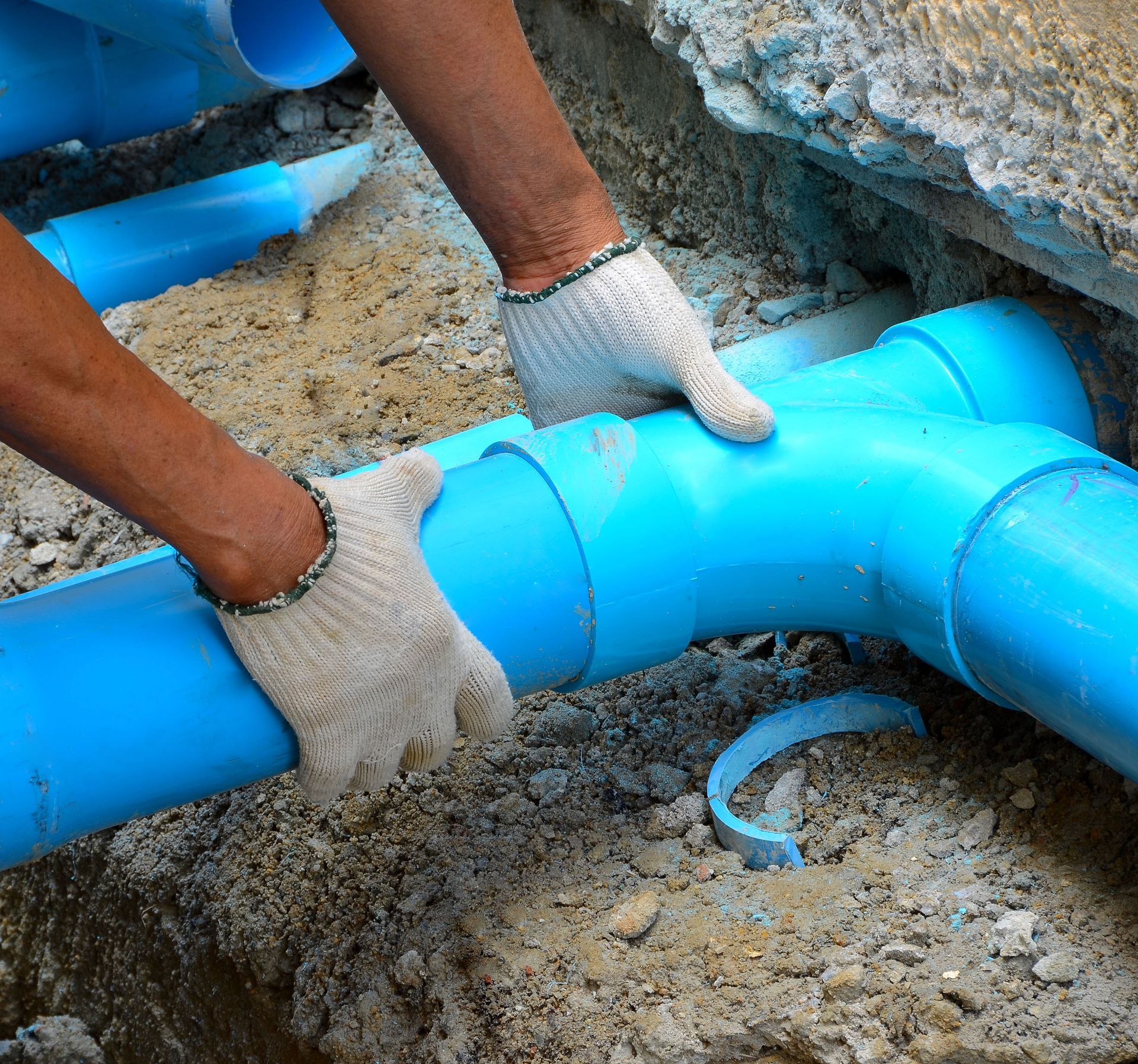
Perhaps the most dreaded of all household leaks is the slab leak. This occurs when water pipes encased in or buried beneath your concrete foundation begin to leak. They are typically caused by ground shifting, poor initial installation, or the natural degradation of older pipes reacting with soil. Slab leaks are incredibly dangerous because they can erode the soil supporting your home, leading to devastating foundation damage.
Spotting a slab leak early requires keen observation. You might notice sudden hot spots on your floor, hear the sound of running water when all fixtures are turned off, or see unexplained cracks appearing in walls and flooring. Another undeniable sign is a massive, sudden spike in your water bill. Attempting to dig into your foundation without expertise is ill-advised; therefore, hiring top-tier plumbing services is non-negotiable for an accurate and safe repair.
Reach out to Chesapeake Plumbing, Inc today to schedule comprehensive
plumbing services and let us give you the peace of mind that comes with a safe, dry, and fully functional home.